
Boston Guide: The Most Dangerous Fat You Can’t See
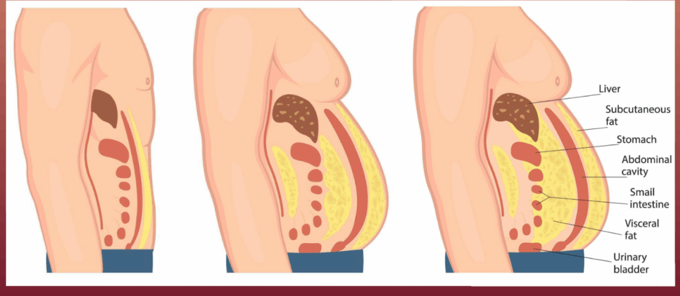
Most people are tracking the wrong fat — and the one that truly matters can’t be seen in the mirror.
In Boston, we like to think of ourselves as a health-conscious city. You can’t walk along the Charles or through the Emerald Necklace without passing joggers, cyclists, and yoga mats in motion. Yet in my clinic (DEXA Scan Boston), we meet people every week—runners, clinicians, personal trainers—who are stunned to learn that their body fat is hiding in the most dangerous place possible: deep inside their abdomen, surrounding their vital organs!
This hidden fat, known as visceral fat, isn’t the kind you can pinch. It’s metabolically active tissue that behaves more like a toxic organ than a passive energy store. It releases hormones and dangerous inflammatory chemicals that disrupt blood sugar regulation, elevate cholesterol, and increase blood pressure. Research has shown that visceral fat predicts heart disease, stroke, type 2 diabetes, and even cognitive decline—sometimes more accurately than body weight or BMI (body mass index) alone.
The risks are sobering. One analysis found that higher abdominal visceral adipose tissue is linked to significantly increased all-cause mortality, especially among adults under 65. Even modest changes in waist size have measurable effects: each 5 cm increase in waist circumference was associated with a 7% higher mortality risk in men and a 9% higher risk in women. Another study found even high risks with each 5 cm increase in waist circumference: 17% increase of mortality risk in men and 13% increase of mortality risk in women. Visceral fat also affects more than the heart. People with the highest levels are more likely to develop dementia at a younger age. And at midlife, people with high visceral fat show more brain signatures that predict Alzheimer’s disease. And individuals with high visceral fat are much more likely to develop precancerous colorectal adenomas.
What makes it especially insidious is that it can accumulate in people who appear outwardly lean. We see individuals with a normal BMI and good muscle tone whose scans reveal alarmingly high levels of internal fat. One study found that people of normal weight but with high visceral fat were 31% more likely to die than people of the same weight without high visceral fat. You can look “fit” on the outside while being metabolically unhealthy on the inside.
In other words, visceral fat isn’t just an aesthetic concern. It is a multisystem health hazard metric that predicts bad outcomes across the heart, cancer, dementia, and even your chance of dying!
That’s where the DEXA scan comes in.
DEXA (Dual-Energy X-ray Absorptiometry) is a medical imaging technology originally developed to measure bone density. It has since become the gold standard for body composition analysis, capable of distinguishing bone, muscle, subcutaneous fat, and visceral fat with remarkable precision that beats bathroom scales, handheld bioimpedance devices, or even sophisticated gym analyzers.
A DEXA scan takes about ten minutes, is painless, and exposes you to less radiation than a cross-country flight. It produces a detailed map of your body composition, showing exactly how fat and muscle are distributed throughout your arms, legs, trunk, and core. The visceral-fat estimate is particularly valuable because it quantifies the fat that most strongly predicts metabolic risk.
For clinicians and patients alike, this information is transformative. Rather than relying on weight or BMI, which can fluctuate for reasons unrelated to health, we can now track a metric that is especially important. Patients are often relieved to see their muscle mass improving and their visceral fat dropping even when the scale barely budges.
The good news is that visceral fat is responsive to change. Studies show that reductions in visceral fat, more than just weight loss, are strongly associated with improvements in insulin sensitivity and cardiovascular health. It often decreases with consistent exercise, improved sleep, stress reduction, and lower refined-carbohydrate intake. DEXA scans and similar technologies allow people to see these internal improvements in black and white, reinforcing healthy habits with tangible data that can improve motivation long term.
In a city that leads the world in medical innovation, from the Longwood Medical Area to Kendall Square, we have access to extraordinary tools for understanding our health. Yet many people still rely on outdated measures like BMI or waist circumference, which fail to capture the full picture.
The first step toward better health is understanding what’s happening beneath the surface. Knowing your visceral-fat level is like checking your engine light before a breakdown, it can guide you toward prevention rather than reaction. If you want a clear picture of your internal health, not guesswork, DEXA is the most precise tool available.
—
If you want to pair gold-standard medical data with your training and understand your muscle, fat, and visceral-fat levels, book a scan at DexaScanBoston.com.
Use code FIRST40 for 40% off your first scan.
***